Grow A Tea Garden
If you're anything like us here at Wallish Greenhouses, you've already started dreaming about your spring garden — even as the snow piles up and you're curled up on the couch with a hot cup of tea. During one of those quiet winter moments, my inspiration for this year's project was born: a tea garden!

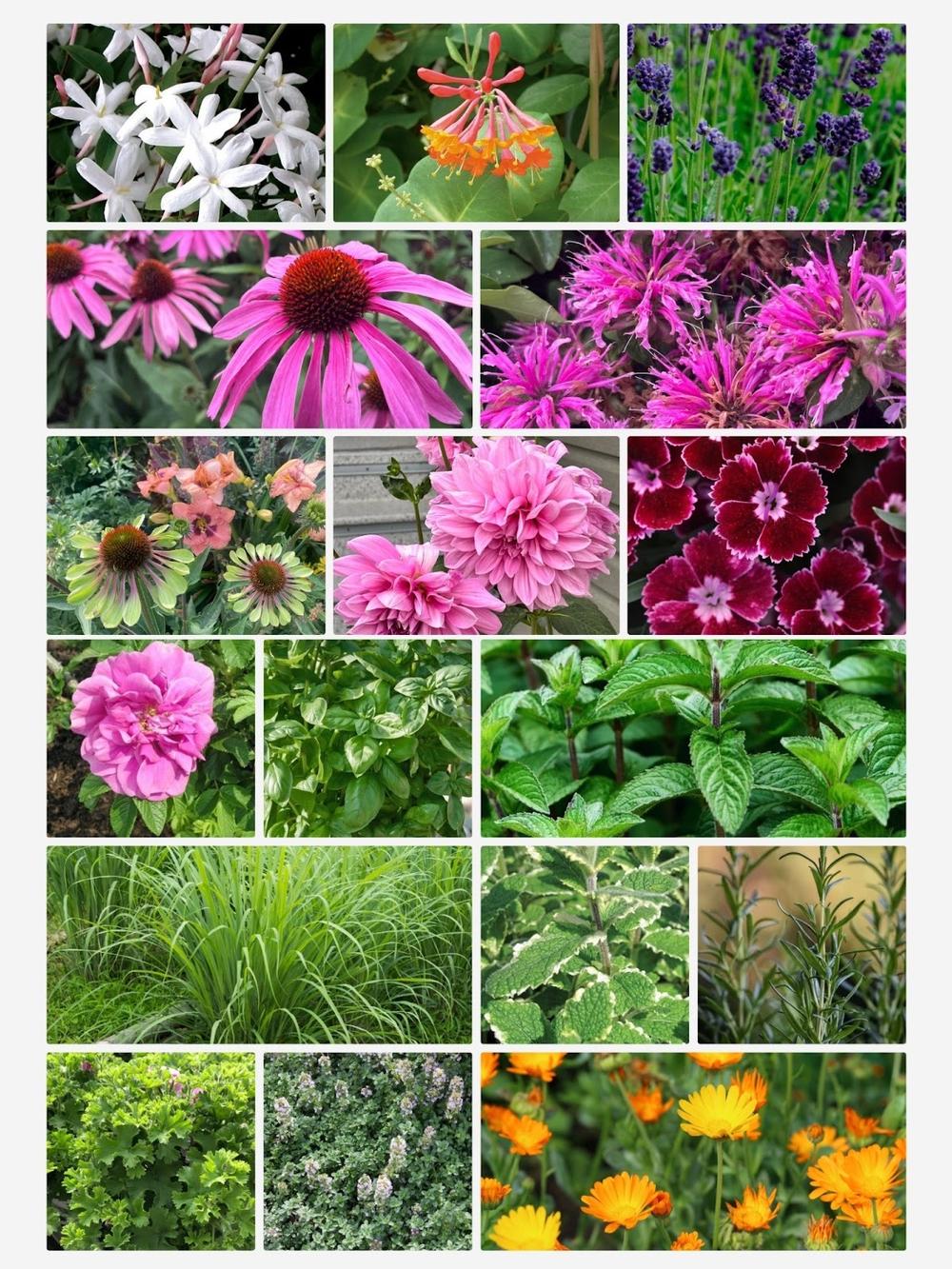
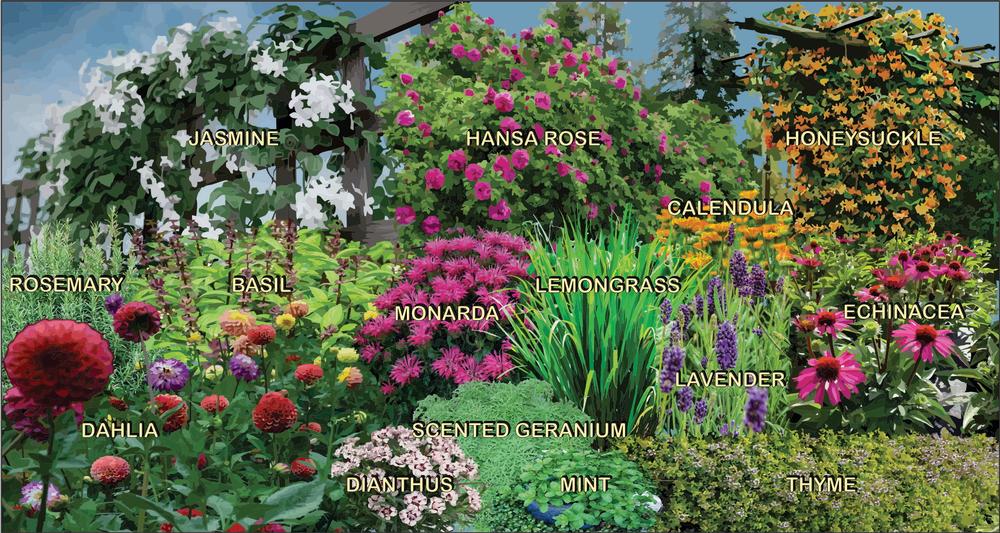
Now, the true tea plant (Camellia sinensis) thrives in warm, humid climates—definitely not in the Edmonton area—but there are plenty of herbs and flowers, both annual and perennial, that make wonderful herbal infusions or can be used to flavour tea leaves. Below are short write-ups on each plant we carry this year that can be used for tea, including tips for incorporating them into your favourite cup
Note: Almost all the plants below grow in part sun/full sun and require average water with a few exceptions. I’ll make note of those exceptions along the way. They can also all be used fresh or dried depending on how you want to use them.
Jasmine
This year, the plant I’m most excited about is jasmine. Its fragrant pink and white flowers grow on an annual vine that’s perfect for fences, arbors, trellises, or even patio containers. Traditionally, the blossoms are dried and added to green tea (and occasionally white tea) for a delicate floral flavour and aroma. The best time to pick jasmine is at night, when the blooms are fully open and their fragrance is strongest. Choose the freshest flowers and lay them on a paper towel or mesh screen for 2–4 days until completely dry.
Honeysuckle
One of the joys of a tea garden is the abundance of fragrant flowers that draw in pollinators, butterflies, and hummingbirds. Honeysuckle is especially beloved by hummingbirds, and it’s a vigorous climber that can live for 20 years or more. To harvest honeysuckle for tea, pick the flowers in the morning once the dew has dried. They can be used fresh or dried in hot or iced tea. For drying, simply spread the blossoms on a paper towel or mesh screen for 3–5 days. For the fullest flavour, steep the flowers for about 10 minutes.
Lavender
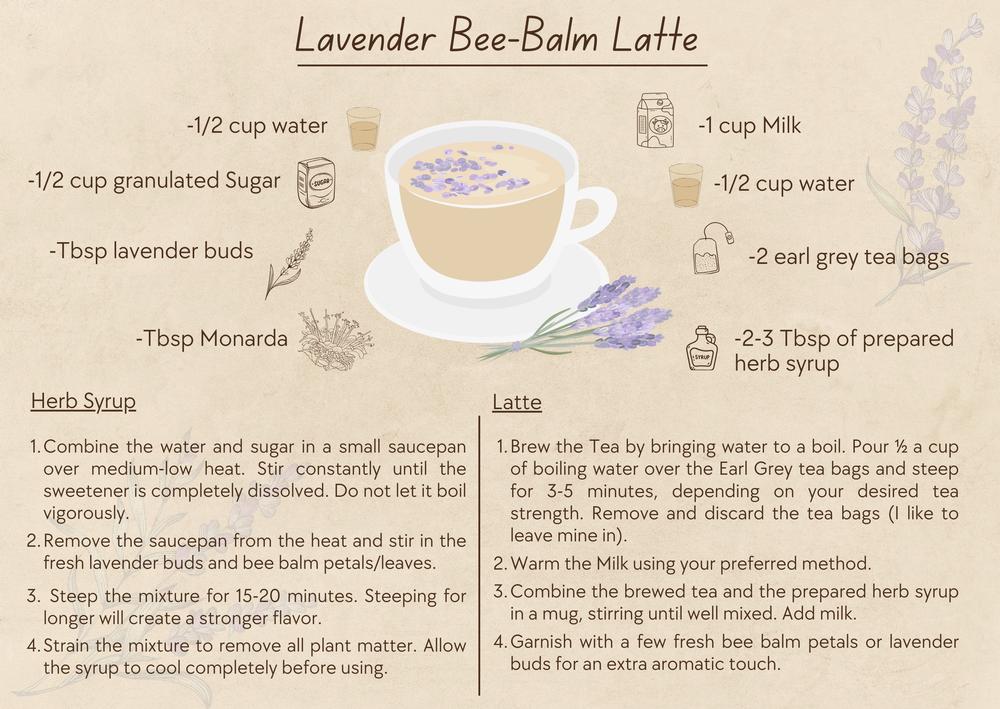
And then there’s lavender—my all-time favourite! I use lavender in everything: dish soap, laundry detergent, essential oils, body products, baking, fresh and dried arrangements, and of course, tea. It’s wonderfully versatile because you can use both the flowers and the leaves. The blooms have a sweet, floral flavour, while the leaves offer a more herbal note. Lavender grows best in hot, sunny areas and is drought tolerant once established. Use it in hot or iced teas (and in cocktails, kombucha, and water infusions too). The flowers and leaves pair beautifully with white tea, green tea, black tea, Earl Grey, and even matcha. Harvest in the morning once the dew has dried, ideally when about half the buds on the stem have opened. To dry, strip a few leaves from the lower stem, tie the stems together, and hang them upside down for 1–2 weeks. If you prefer a quicker method, you can use the same flat-drying technique used for jasmine and honeysuckle.
Monarda
Like lavender, both the leaves and flowers of Monarda (bee balm) can be used in teas and tinctures. Monarda is a fast-growing perennial with vibrant, globe-shaped blooms and minty–basil-scented foliage that bees love. Fun fact: Monarda is actually part of the mint family!
The leaves have a stronger, herbal flavour, while the flowers offer a more subtle sweet, citrus note. Some people call Monarda “wild bergamot” and even use it as a bergamot substitute to flavour Earl Grey tea. Harvest in the morning when the blooms are fully open. Monarda can be dried much like lavender—simply hang the stems upside down for a few weeks. Once dried, some people lightly grind the flowers and mix them with herbs like echinacea to create unique tea blends.

Echinacea
Echinacea pairs beautifully with Monarda in any perennial garden, whether you’re growing it for tea or not. They’re also great companions in cut flower arrangements. Echinacea is probably the most versatile plant on this list—the roots, leaves, flowers, and stems can all be used for tea (everything except the seed head). Most commonly, people use the roots and flowers, which have a piney, floral flavour.
It’s best to harvest Echinacea right as the blooming season begins. Hang the stems upside down or lay them flat to dry. The roots can also be used fresh or dried—just be sure to give them a good scrub.
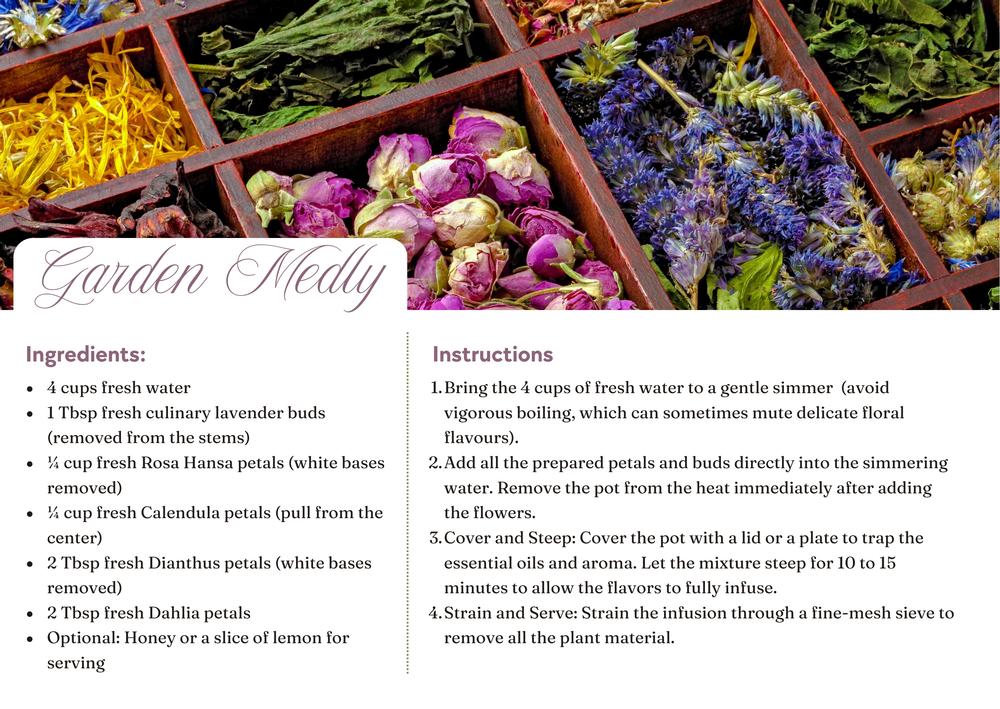
A few other flowers you can experiment with are Rosa ‘Hansa’, dahlias, dianthus, and calendula. All of them can be used fresh or dried. For these flowers, it’s generally best to pick the petals and lay them flat to dry on a paper towel or mesh screen for a few days. Here’s a quick outline of how to use them:
Rosa Hansa - A fragrant, hardy shrub rose with violet red flowers and orange hips. Harvest blooms when they are fully open but still fresh. If using the hips, wait until late summer or early fall—after the first frost they become sweeter and more aromatic. The petals are floral and lightly sweet, while the hips are tart and refreshing.
Dianthus - Dianthus comes in both perennial and annual varieties. Annual types prefer full sun, while many perennials tolerate part shade. Not all dianthus varieties are edible, but the ones we carry have petals suitable for tea.
Important: Only use the petals! Remove them from the bitter white base (it’s worth cutting it off—it’s very bitter). Use fresh or dried. The flavour is sweet, spicy, and clove-like. Try blending dianthus with Rosa ‘Hansa,’ lavender, or black tea for a beautifully floral twist at tea time.
Dahlias - A full-sun annual with showstopping blooms. Like dianthus, it’s recommended to use only the petals, though some regions traditionally use dahlia tubers for tea. All dahlia tubers are edible, but the flavours vary dramatically—some are sweet and pleasant, while others can be quite bitter. I may experiment with this one day, but this year I’m sticking with the petals for my homemade concoctions. Once the blooms have freshly opened, pick the petals and add them to tea. They have a gentle, floral flavour that blends well with other flowers.
Calendula - The last flower on my list before we move into herbs. We don’t sell calendula plants, but we do carry the seed—and calendula is very easy to grow from seed, especially in our cooler spring weather. Pick the whole flower heads once they’ve fully opened. You can use them fresh or dry them for a more concentrated flavour.
This next fact delights me: you can use the entire flower head for tea! I’m strangely excited to see a whole calendula bloom floating in my teacup. The flavour is sometimes compared to chamomile—mild, slightly sweet, earthy, and floral.
Scented Geranium
Scented geranium isn’t quite an herb, but unlike the plants above, only the leaves are used for teas. There are many varieties of scented geranium, but we carry only Citrosa Citronella ‘Lemona’—not to be confused with citronella grass, which is used for essential oils but not tea. It’s best to use the leaves fresh rather than dried for the strongest flavour. Cover the tea while it steeps to trap the aromatic oils. Try combining it with rosemary, ginger, or green tea for a unique and flavorful blend.
BasilBasil is one of my favorite herbs for iced teas or water infusions. This year we are carrying three varieties: Piedmont, sweet, and Thai. Each has a slightly different flavor. Piedmont has the classic Italian basil taste, sweet basil is a bit milder, and Thai basil has notes of licorice and spice. Basil loves a sunny spot and moist, well-drained soil. I love combining basil with peach or blueberry in carbonated water for a refreshing summer drink. Sometimes I add a little honey for a sweet touch!
Lemongrass
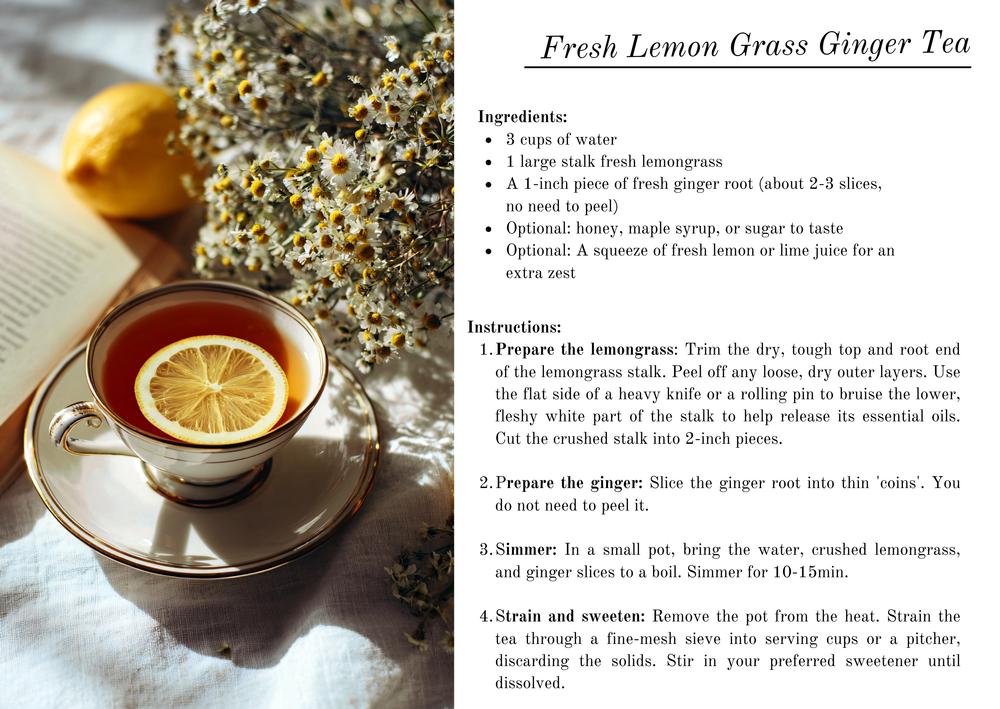
Lemongrass loves heat! It thrives in full sun and is perfect for hot teas. Pick the stalks and cut them into small pieces, then use the flat side of a knife or your fingers to gently bruise them—this helps release the essential oils. My favorite combination is a soothing blend of lemongrass and ginger with a touch of honey. Everyone’s tastes are a bit different, but this is my winning stress-relief blend.
Mint
Mint is the classic tea herb. I love using it fresh in herbal infusions with various fruit combinations (like raspberry) or in hot tea, either on its own or mixed with green tea. This year we are carrying Mojito mint (the classic mint flavor) and Pineapple mint. Mint is perennial in the ground, but it can take over your garden like a weed, so I usually grow it in a container to prevent any unwanted spreading. Use it fresh or dried; if using fresh, roll the leaves lightly between your fingers to release the oils for a stronger flavor.
Lemon ThymeI’ve never personally used lemon thyme in tea, but I’m all for experimenting. The plant itself is beautiful, with small green leaves edged in gold, and it works well as a ground cover. Like many herbs, it can be used fresh or dried. If using fresh, gently bruise the leaves to release the oils for more flavor. It pairs wonderfully with ginger, green tea, and honey.
Rosemary
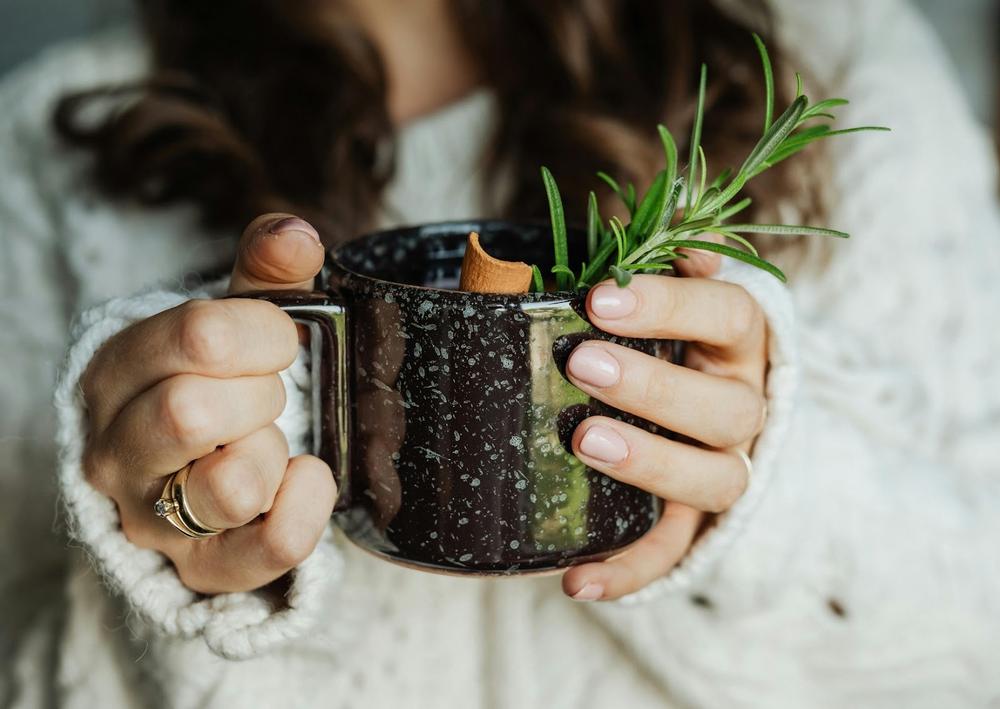
Finally, there’s rosemary. I love its unique flavor—there’s nothing quite like it. When steeping fresh, I often cut it into smaller pieces and leave the leaves on the stem. When drying, I hang small bundles upside down and strip the leaves once dry. Rosemary and lemon is one of my favorite combinations, but it also pairs well with cloves, ginger, chamomile, and even hibiscus.
I’m looking forward to growing and harvesting all these beautiful flowers and herbs this year and giving these recipes a try. Not only will these provide a flavourful harvest, but I’ll have beautiful cut flowers and the best smelling garden on the block. Hopefully this has given you some inspiration too! Please share with us any “tea garden” ideas or tasty recipes you create this season on our facebook or instagram pages.
Happy gardening!
https://www.facebook.com/WallishGreenhouses
https://www.instagram.com/wallishgreenhouses/